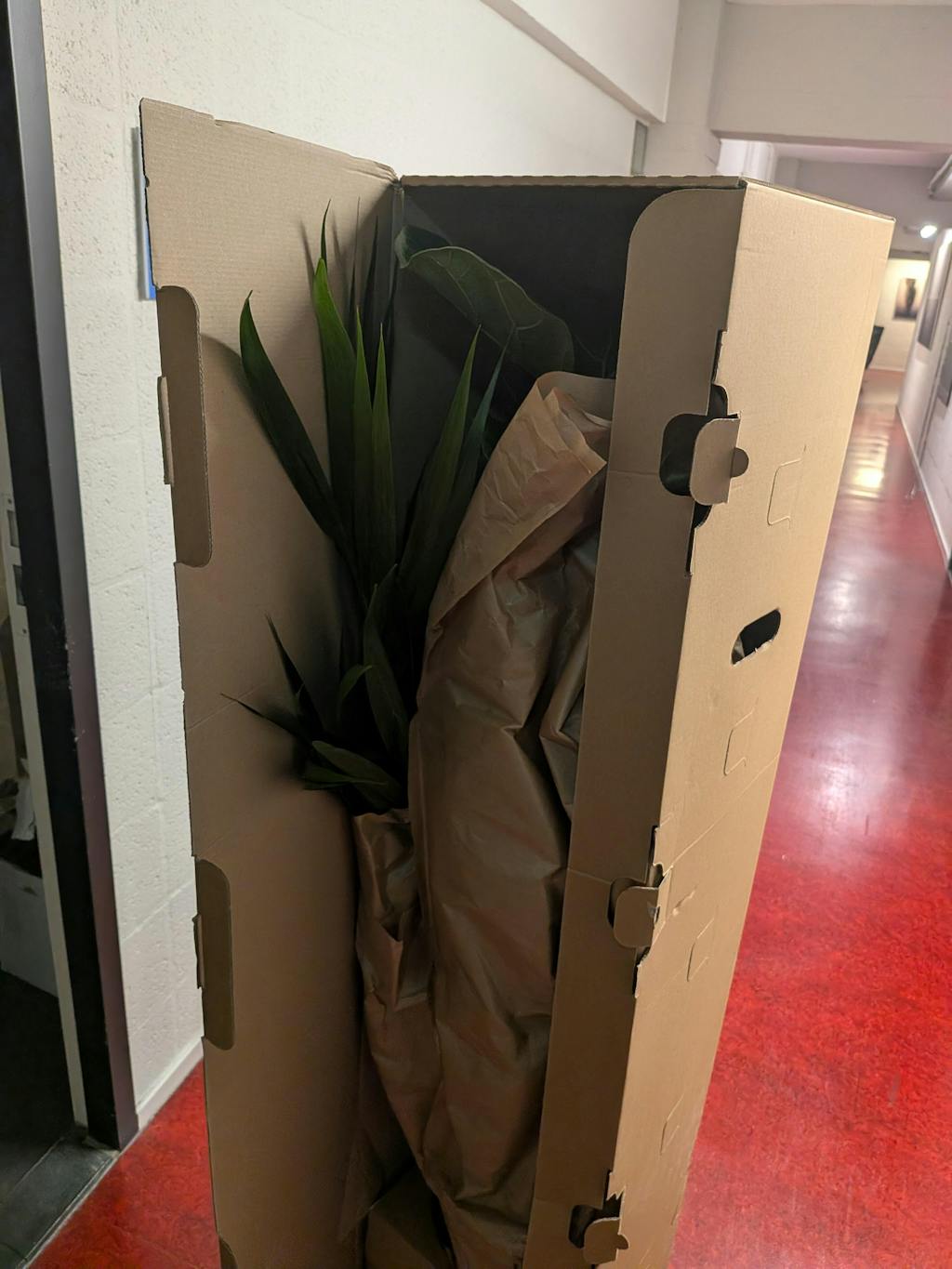


Repotting is an essential part of plant care. In this guide, we will teach you step-by-step how to correctly repot your Ficus Benjamina.
When to Repot?
Your Ficus Benjamina needs to be repotted if:
- Roots are growing out of the drainage hole
- The plant dries out faster than usual
- The plant stops growing despite good light
- Roots are visible on the soil surface
- The growing season has begun (spring)
Generally, strong growers like Ficus Benjamina should be repotted every 1-2 years. Avoid repotting in winter, when growth is slow.
What You Need
Gather these items before you begin:
- A new pot, 1-2 sizes larger than the current one (a few millimeters larger in diameter is better than much larger)
- Fresh potting mix suitable for Ficus Benjamina
- Mesh or screens for the drainage hole (optional)
- A trowel or spoon
- Water
- Old newspapers or a mat to work on
Potting Mix Type: Use a well-draining soil mix. For Ficus Benjamina, standard potting mixes work well, although you can add some perlite or orchid bark for better drainage.
Step-by-Step Repotting
Step 1: Preparation - Lightly water the plant so the soil is not completely dry, but not soaking wet either. This makes it much easier to remove the plant from the pot.
Step 2: Remove Plant from Pot - Tilt the pot sideways and gently slide the plant out of the pot. If the plant is stuck, you can carefully break the old pot or run a knife along the inside edges.
Step 3: Examine Roots - Inspect the roots. Healthy roots are white or light-colored. If you see black, slimy roots, there is root rot, and you should remove all rotten parts.
Step 4: Remove Old Soil - Gently massage the roots to loosen some old soil. This encourages new root growth in the fresh soil. Don't remove everything - about 50% of the old soil can remain.
Step 5: Place Plant in New Pot - Put a layer of new soil in the bottom of the new pot. Place the plant so that it sits at the same depth as before. Fill around with soil and gently press down.
Step 6: Water - Gently water until it drains from the drainage hole. This helps the soil settle and positions the roots well.
Step 7: Rest - Place the plant in its permanent spot and water minimally for 1-2 weeks while it adjusts to the new soil.
Proper Potting Mix
Ficus Benjamina is not very particular about potting mix, but prefers well-draining mixes:
- 40% standard houseplant soil
- 30% perlite or vermiculite
- 20% orchid bark or charcoal
- 10% sand
Alternatively, you can buy a ready-made "aroid mix" or "well-draining houseplant mix." The most important thing is that water drains well, but the plant doesn't dry out too quickly.
Care After Repotting
The first few weeks after repotting are crucial:
- Water moderately - do not fertilize until you see new growth
- Do not place in direct sunlight for several days
- Avoid moving and temperature fluctuations
- Fertilize only after 4-6 weeks when the plant has adjusted
After a few weeks, you will see your Ficus Benjamina producing new growth in its new pot. This indicates that the repotting was successful!
🌿 Explore our Ficus Benjamina collection
At XXLplant, you'll find the most beautiful and healthy Weeping Fig plants, directly from the best growers. For over 10 years, customers have trusted our quality.
View Ficus Benjamina →Frequently Asked Questions
How often should I repot my Ficus Benjamina?
Every 1-2 years
What is the best type of potting mix?
Well-draining potting mix is essential. Add perlite or orchid bark for better drainage.
Can I give my plant a larger pot?
Yes, but no more than 1-2 sizes larger. Too large a pot leads to overwatering.