Japandi combines the tranquility of Japanese aesthetics with the warmth of Scandinavian design. In this style guide, you'll discover which plants bring that balance into your home.
The most important thing in 30 seconds
+Japandi is the mix of Japanese minimalism and Scandinavian warmth
+Choose plants with a sleek, sculptural silhouette
+Ficus Lyrata, Sansevieria, and Dracaena are the favorites
+Work with fewer plants, but larger and more deliberately placed
+Natural pots in matte and earthy tones complete the look
+Empty space is part of the style, let plants breathe
What is Japandi
Japandi is an interior design style that combines the minimalism and tranquility of Japanese design with the warmth, functionality, and natural material use of Scandinavian living. The result is a space that feels sleek and tidy, yet never cold. Plants play a leading role in this: they bring life to a muted palette without disturbing the balance.
Where many interior styles revolve around more, Japandi is about more conscious choices. You don't opt for a jungle of greenery, but for a few plants with a strong, sculptural silhouette. A Ficus Lyrata in a corner, a Sansevieria with its clean vertical lines, a Dracaena adding height and rhythm. Each plant has its own place and is allowed to breathe.
The choice of materials makes all the difference. Terracotta, concrete, unglazed ceramics, and woven baskets seamlessly complement the wood and linen you see elsewhere in a Japandi interior. Keep the pots matte and in earth tones, so that the deep green of the plant is the accent and not the pot.
In this style guide, we show which plants and plant types suit Japandi, share our top 5 from the collection, and provide concrete styling tips. Whether you're completely overhauling your interior or just looking for a peaceful spot in a corner, you'll find the green foundation for a calm and timeless home here.
Characteristics of the Japandi style
The building blocks that make a Japandi interior recognizable.
1
Natural materials set the tone
Japandi leans on wood, linen, ceramics and stone. Plants in a terracotta or concrete pot fit right in and reinforce the style's artisanal, honest character.
2
Neutral earth tones as a base palette
Think sand, clay, warm grey and off-white. The deep green of a Ficus Lyrata or Sansevieria gives just enough contrast without disturbing the calm.
3
Calm and balance through wabi-sabi
Japandi embraces the unfinished and imperfect. A plant with a quirky growth habit or a pot with slight irregularities fits perfectly. Fewer things, more breathing space.
Which plants suit Japandi
Sculptural plants with a clean silhouette
Hoogte, 120 to 200 cm
A Ficus Lyrata or branched fig works like a living sculpture. Its sleek, graphic silhouette fills a corner without feeling heavy, exactly what Japandi calls for.
Grafische bladplanten
Hoogte, 80 to 150 cm
Sansevieria and Strelitzia bring vertical lines and sleek shapes. Their architectural foliage adds rhythm to a calm room and needs hardly any care.
Minimalist trees in pots
Hoogte, 100 to 180 cm
An olive tree or Ficus Microcarpa Ginseng has the calm, timeless look that defines Japandi. An understated tree as the quiet centrepiece of the room.
Calm green accents
Hoogte, 60 to 110 cm
A Chamaedorea or compact palm adds softness without fuss. Ideal as a calm green accent on a sideboard or in an empty corner.
Top 5 plants for a Japandi interior
Onze favoriete planten voor een Japandi interieur, gekozen door onze stylingexperts. Met per plant de reden waarom hij werkt.
The Ficus Lyrata is the face of Japandi. Its large, graphic leaves and sleek trunk form a living picture that fills a corner without breaking the calm. At 160 cm it is exactly the right size for most living rooms.
The Sansevieria Laurentii brings sleek, vertical lines that fit Japandi's minimalist geometry perfectly. Virtually indestructible and therefore the calm, low-maintenance choice the style calls for.
The Ficus Microcarpa Ginseng has a sculptural, bonsai-like trunk that instantly recalls Japanese aesthetics. Compact enough for a sideboard or windowsill and a real eye-catcher in a small format.
The branched Dracaena Marginata adds height and an airy, graphic structure. Its narrow leaves and bare stems bring rhythm to a calm room without adding bulk. A statement plant for an empty corner.
The Chamaedorea Elegans adds softness without disturbing the calm. Its fine, feathery foliage balances the sleeker plants in the home and keeps a Japandi interior warm and liveable.
Styling tips for Japandi
Do
Choose one statement plant per corner
Give each zone in the home one large, sculptural plant as a resting point. A Ficus Lyrata or Dracaena in an empty corner does more than ten small pots and keeps the look calm.
Do
Work with natural pots
Terracotta, concrete, ceramics and woven baskets match the materials of Japandi. Keep pots in earth tones so the plant draws attention, not the pot.
Do
Play with differences in height
Combine a tall tree with a low plant on a stool or shelf. That creates calm rhythm without cluttering the room. Leave enough bare wall between the plants.
Don't
Avoid too many small plants
A jumble of small pots makes a room busy and messy. That clashes with the calm of Japandi. Choose fewer plants instead, but larger and more deliberately placed.
Don't
No brightly coloured or glossy pots
High gloss, bright colours or busy prints draw attention away from the plant and break the understated mood. Keep it matt, natural and in tone with the rest of the interior.
Don't
Do not overload the space with green
A jungle full of plants belongs to boho, not Japandi. Here empty space is part of the design. Let plants breathe and resist the urge to fill every corner.
Frequently asked questions about Japandi
Answers to the most frequently asked questions about the Japandi style.
Which plants suit a Japandi interior?+
Choose plants with a sleek, graphic silhouette and a calm presence. Ficus Lyrata, Sansevieria, Strelitzia, Dracaena Marginata and Ficus Microcarpa Ginseng are classics. Avoid busy, variegated plants and stick to a few larger specimens.
How many plants do I need for a Japandi look?+
Fewer than you think. Japandi is about calm and empty space. One or two statement plants per room is usually enough. Place them deliberately in a corner or beside a piece of furniture and leave the walls around them bare.
Which pots suit Japandi?+
Natural materials in matt finishes and earth tones. Think terracotta, concrete, unglazed ceramics and woven baskets. Keep colours understated, such as sand, clay and warm grey, and avoid high gloss or bright shades.
What is the difference between Japandi and Scandinavian plants?+
The styles overlap strongly; both like calm, wood and functionality. Japandi adds a Japanese layer: more wabi-sabi, darker accents and sculptural, sometimes quirky shapes. Scandinavian stays lighter and softer.
Do artificial plants suit a Japandi interior?+
Yes, provided they are realistic. An artificial Ficus Lyrata or faux palm gives the same sleek silhouette without upkeep, handy for dark corners. Choose a natural-looking model and place it in a real, natural pot.
Where do I place my plants in a Japandi room?+
Work with calm and deliberate spots. One large plant in an empty corner, beside an armchair or by a window. Avoid scattering many small plants across windowsills and cabinets, as that makes the look restless.
Are Japandi plants easy to care for?+
Most of them, yes. Sansevieria and Dracaena are nearly indestructible; a Ficus Lyrata asks a little more attention for light and water. Because you work with few plants, care stays manageable.
Stay informed
Sign up for our newsletter and receive tips, offers and plant inspiration.
Prachtige bananenplant ontvangen. Groot, frisgroen blad en duidelijk van goede kwaliteit. Hij werd stevig verpakt geleverd en kwam zonder schade aan.
De plant staat hier in op kantoor en geeft meteen veel sfeer. Verzorging is tot nu toe eenvoudig en hij oogt erg gezond. Zeer tevreden over de kwaliteit en service. Zeker een aanrader om hier te bestellen. Ik had 3 planten tegelijk besteld - alle 3 waren ze top.
De Ficus Lyrata is precies zoals verwacht. Mooie volle plant, gezond blad en netjes op hoogte. Hij kwam goed verpakt binnen en had geen beschadigingen.
Staat hier nu een paar weken op kantoor en doet het uitstekend. Duidelijke verzorging, geen gedoe. Prijs-kwaliteit klopt en de levering was snel. Ik zou hier zeker opnieuw bestellen.
Prachtige Kentia palm echt een goed website om planten te kopen!
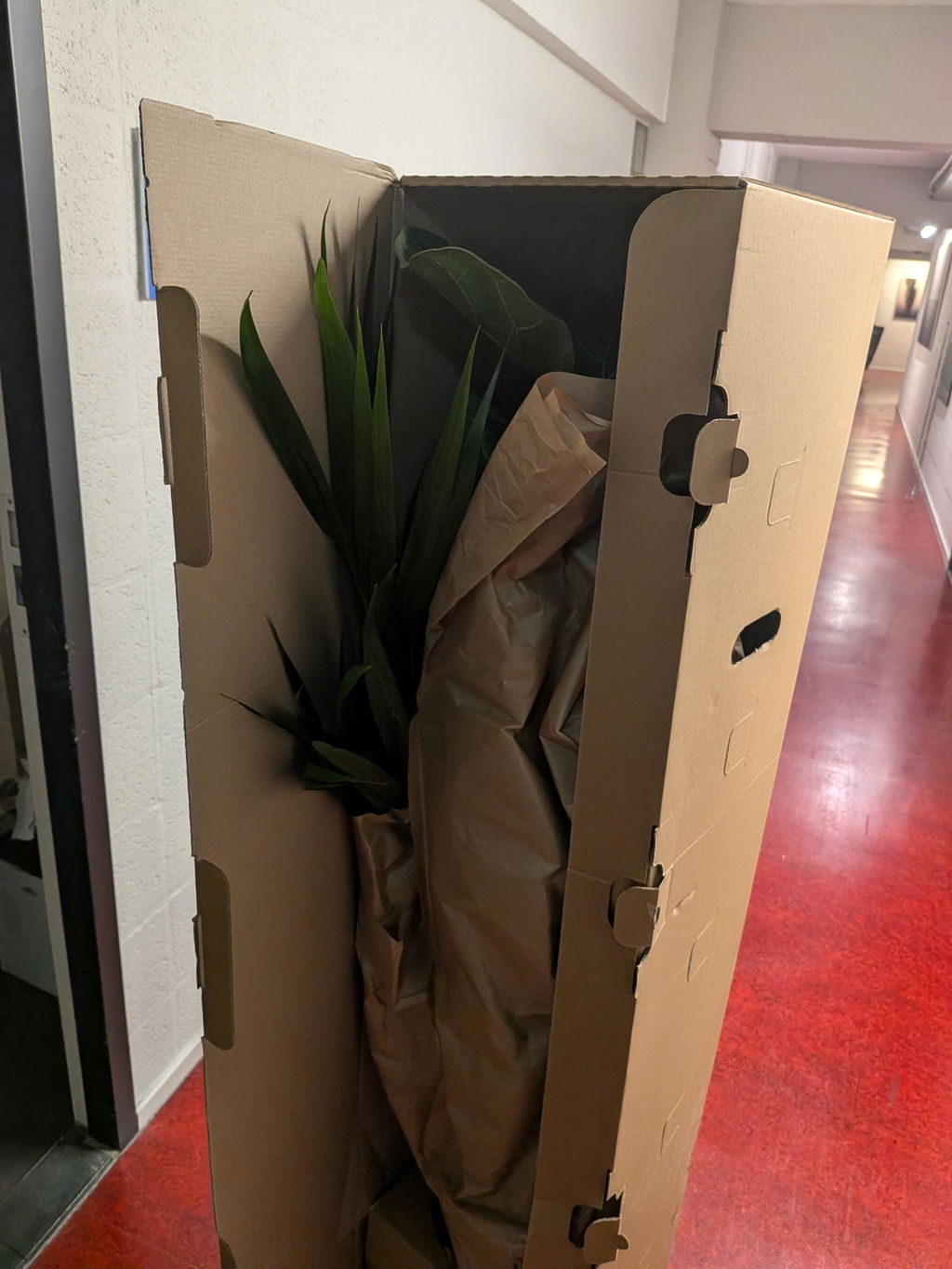
Prachtige palm. Volle bladeren. 15cm hoger dan aangegeven (altijd goed). Geen dode punten, mooi groen. Werd geleverd in een op maat gemaakte kartonnendoos. Erg stevig - blij mee!