



Fig tree
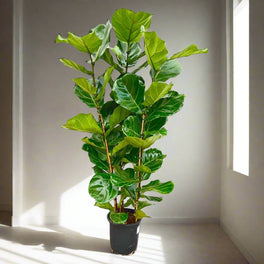
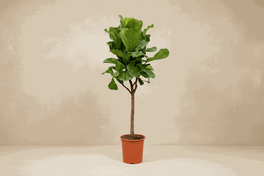
Ficus lyrata (fiddle leaf fig) stem 130 cm tall, pot ø24 cm
Every size is the same plant, just grown a little larger. Choose the height that best suits your spot.





Two is better value
Two of these fit in the same box, so you get 25% off the second plant.
The second one then costs €63,71 instead of €84,95.
Complete your plant with a pot
These pots are a guaranteed fit, no measuring needed. Just pick the one you like best.


Plant height may vary by 10 cm. Height includes the nursery pot. The nursery pot in the photo may differ.
Product information
Product information
The fiddle-leaf fig (Ficus lyrata) is a design classic with large, violin-shaped leaves in a deep green colour and a wavy edge. This plant thrives best in a bright, indirect spot. It grows to 130 cm and comes in a ø24 cm pot.
Care
Place the Ficus lyrata in a bright spot with indirect sunlight. Water moderately; allow the top layer of soil to dry out between waterings. Wipe the leaves clean occasionally.
Specifications
- Height upon delivery: 130 cm
- Pot size: ø24 cm
- Placement: bright, indirect spot
- Watering: water moderately, keep soil slightly moist
Shipping
Delivered to your home within 3 to 4 working days, securely packaged.
Care & maintenance
Care & maintenance
Shipping & delivery method
Shipping & delivery method
Shipping
We pack your Ficus Lyrata in a sturdy box, specially designed for (house) plants. The plants and the potting soil are protected by a protective cover. The houseplants are secured in the box. This way, your plant is not only delivered fresh and healthy, but also undamaged.
Delivery method
All our plants are delivered with PostNL or DHL. From the moment of ordering (on working days) we will collect your product from the greenhouse. And it is immediately transferred to the delivery person. The product will be delivered within 3 to 4 working days.
Your payment is processed securely. We do not store credit card information and do not have access to your payment information. You can checkout with confidence, knowing that your purchase is safe and guaranteed to be delivered to your home.
Specifications

All about
The Ficus dossier
Ficus
The care year
little to plentyPlacement and light
Water and feeding
Is something wrong with your Ficus?

Is your plant unwell?
Pick your plant and the symptom, and our Plant Doctor gives you an instant free diagnosis with a step-by-step plan.
Let customers speak for us
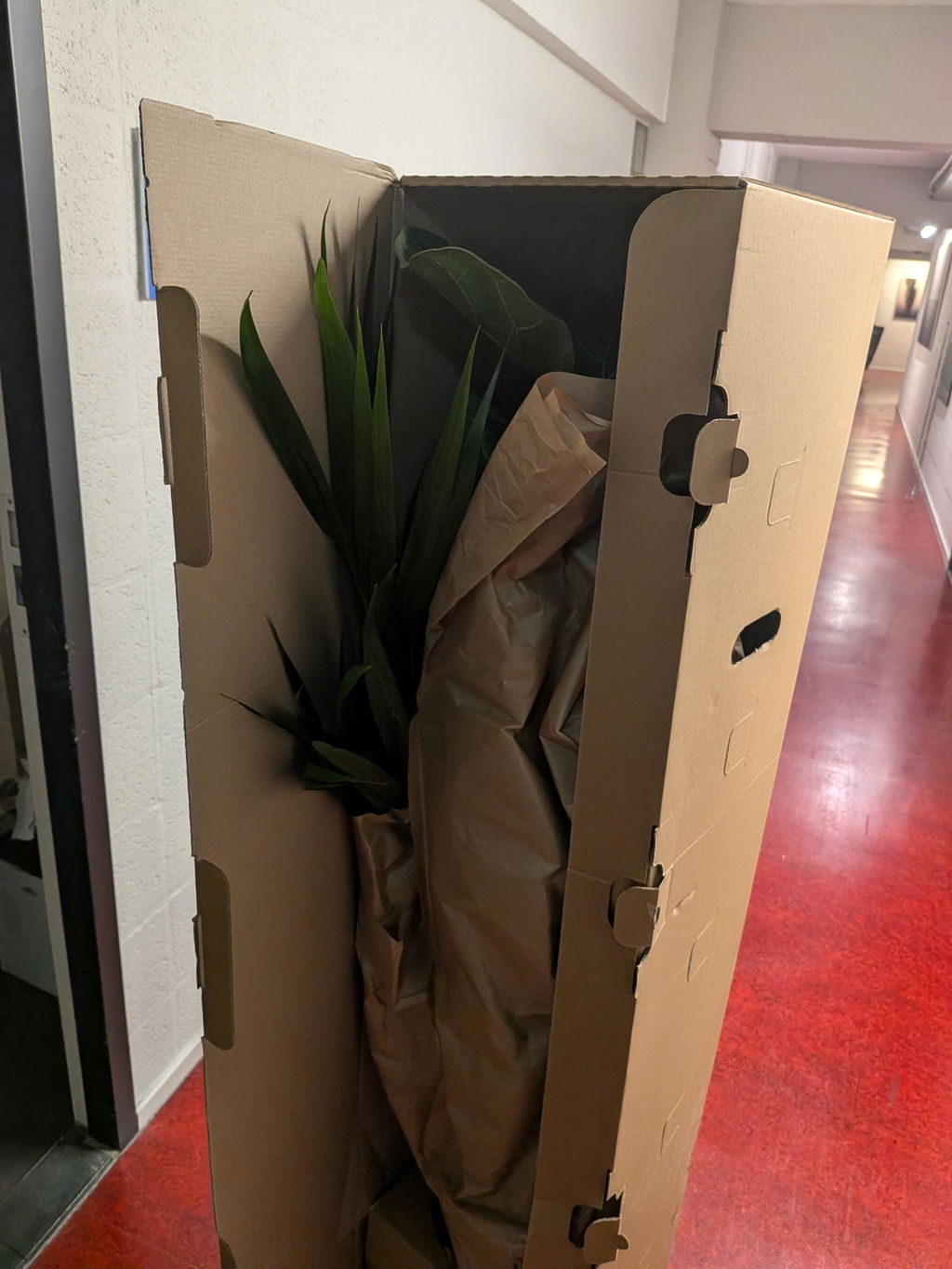
Prachtige palm. Volle bladeren. 15cm hoger dan aangegeven (altijd goed). Geen dode punten, mooi groen. Werd geleverd in een op maat gemaakte kartonnendoos. Erg stevig - blij mee!
Super blij ben ik met mijn nieuwe plant! Ik vond het erg fijn dat de website zo overzichtelijk is, met handige zoek opties en duidelijke instructies qua plantverzorging. Dit was voor mij een groot pluspunt! Vervolgens ging het bestelproces heel soepel en makkelijk en werd de plant super snel geleverd. Al met al: betrouwbaar, overzichtelijk en snel! Voor mij ideaal voor de aankoop van planten die echt bij me passen.
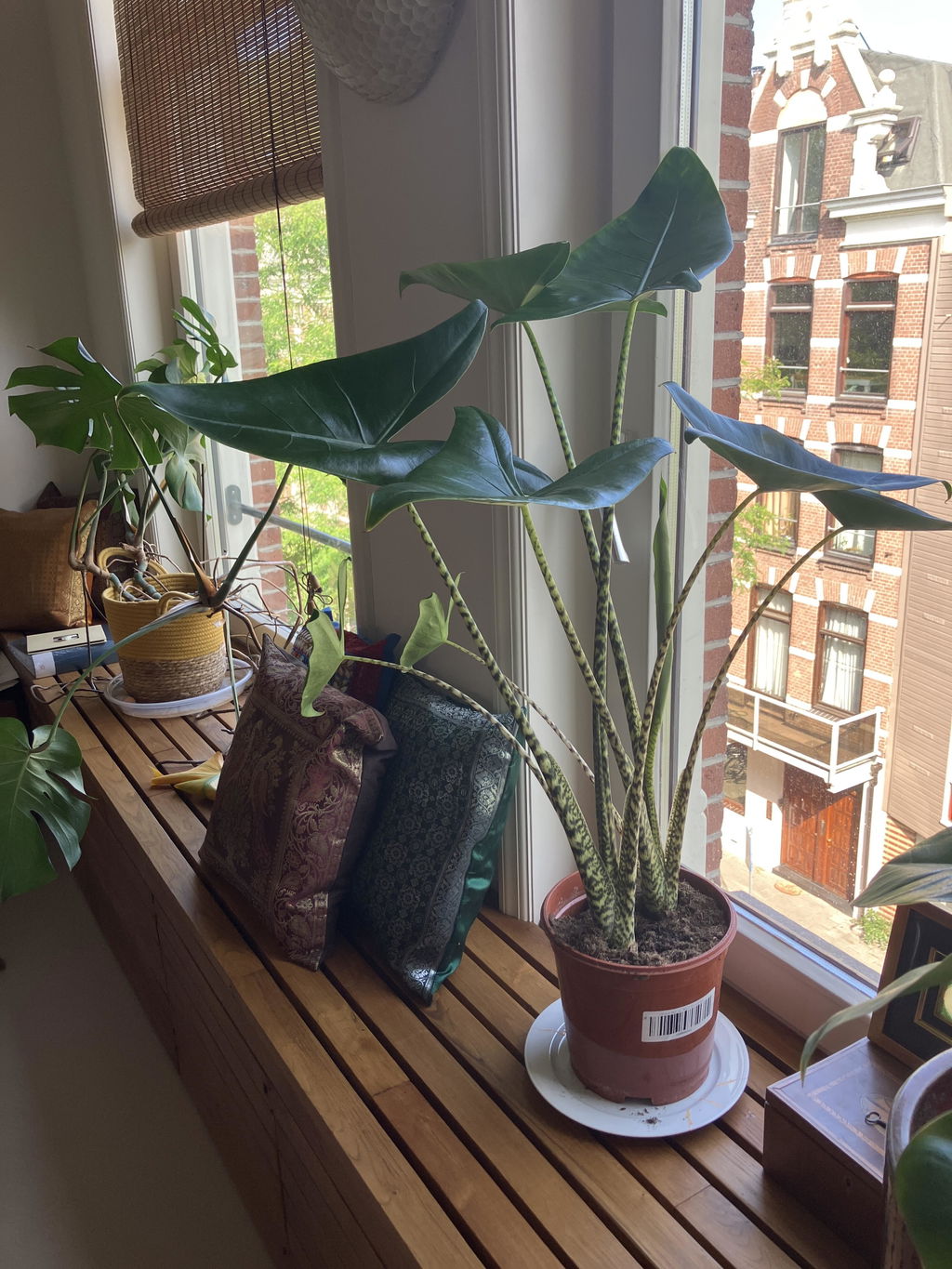
Heel blij met mijn mooie plant, bestellen ging gemakkelijk en snelle levering.
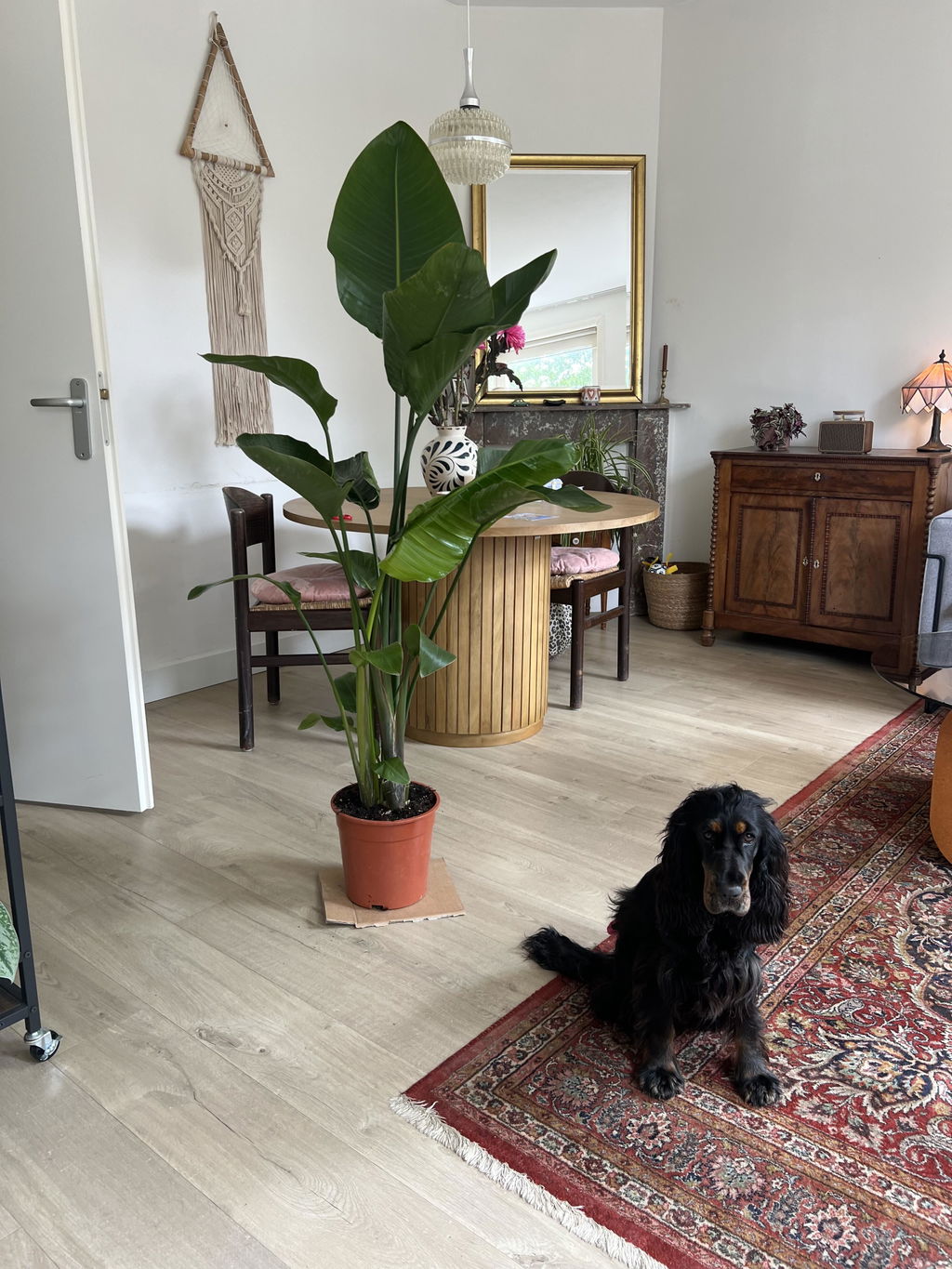
Heel erg blij met mijn plant! Alles is super goed verlopen, van bestelling tot bezorging. De communicatie was duidelijk, en de plant is prachtig en gezond aangekomen. Je merkt echt dat er met zorg wordt gewerkt. Aanrader!
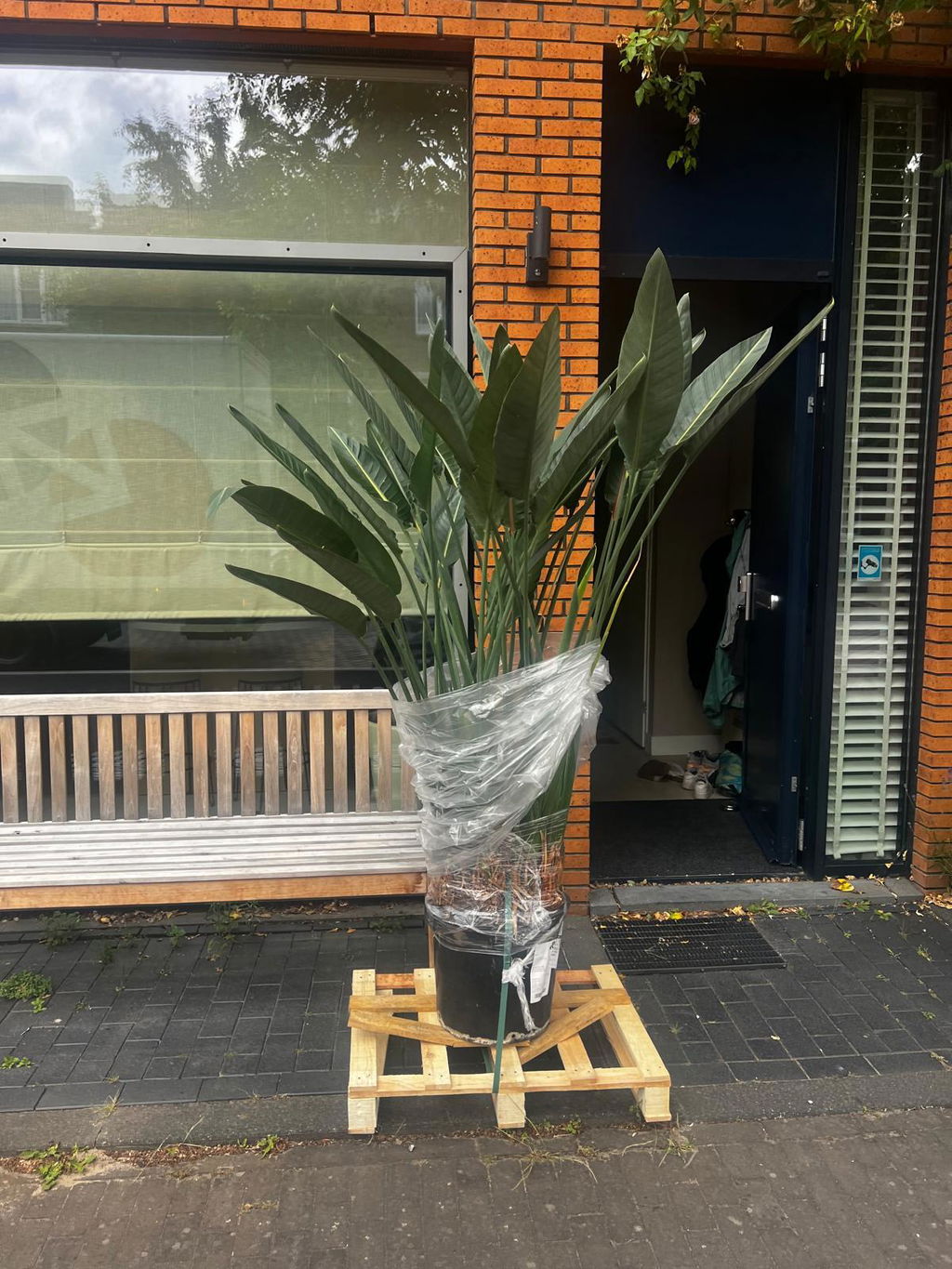
Plant cadeau gedaan aan een goede vriend, Hij was er erg blij mee. De plant was groter dan ik had verwacht. Staat erg mooi in de woonkamer.

Vandaag ontvingen wij een mooie supergrote bananenplant. We wilden in de galerie een speciale grote plant. Dat is prima gelukt, hij is echt heel groot en staat fantastisch in onze galerie, ben er erg blij mee! Je kan hem hier komen bekijken, Galerie Moon, Bickersgracht 54, Amsterdam, open vrij t/m zondag 13-18 u. www. galeriemoon.nl
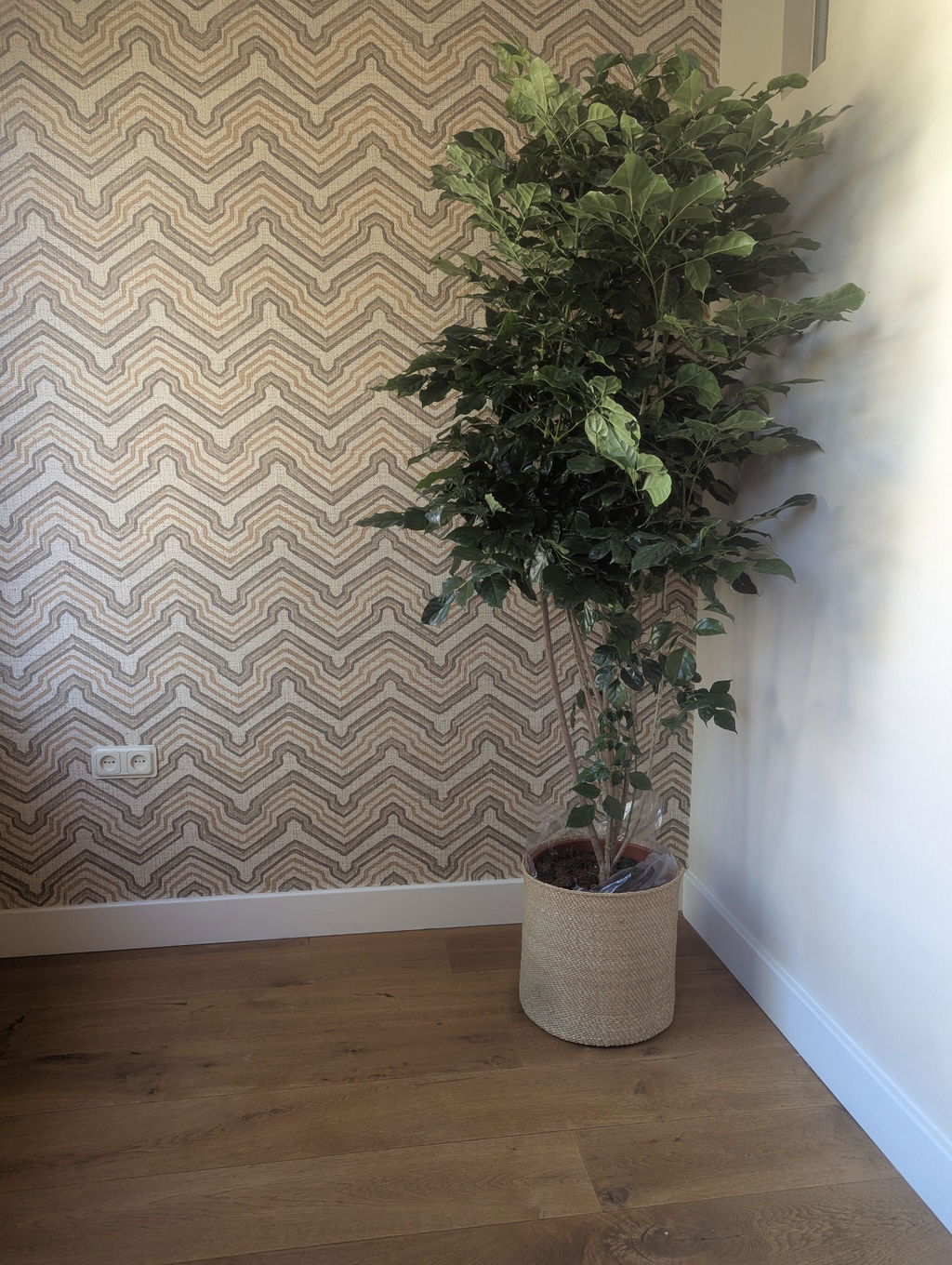
Mijn Radermachera ziet er prachtig uit. De plant is in goede conditie aangekomen. En nu 2 weken later zijn er geen enkele bladeren uitgevallen. Laat zien dat dat XXLplant een hoge kwaliteit heeft in verzenden van planten. Echte aanrader!
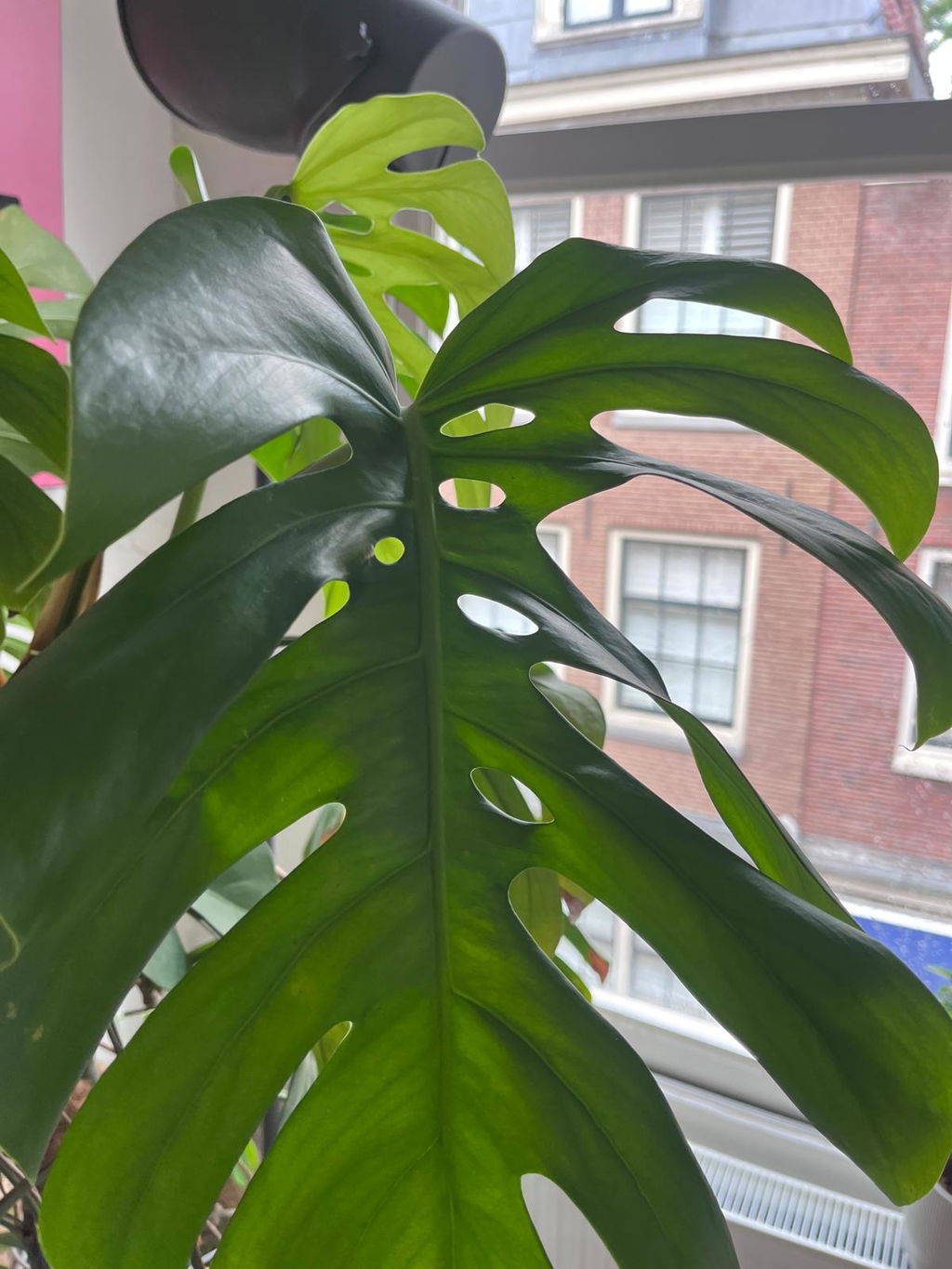
Snelle levering, goed verpakt en de plant was precies zoals op de foto – groot en gezond. Klantenservice reageerde snel en vriendelijk. Ik bestel hier zeker opnieuw!
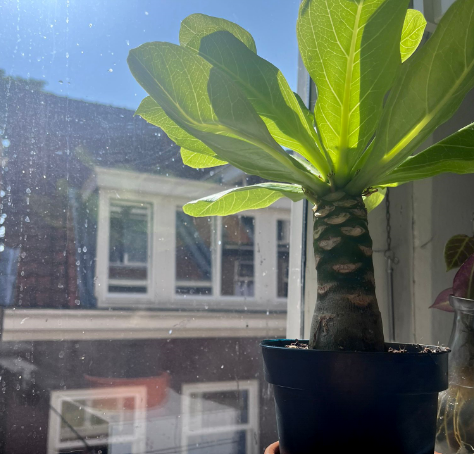
Leuke plant en mooi stevig ingepakt. Ik ga nog een keer bestellen.
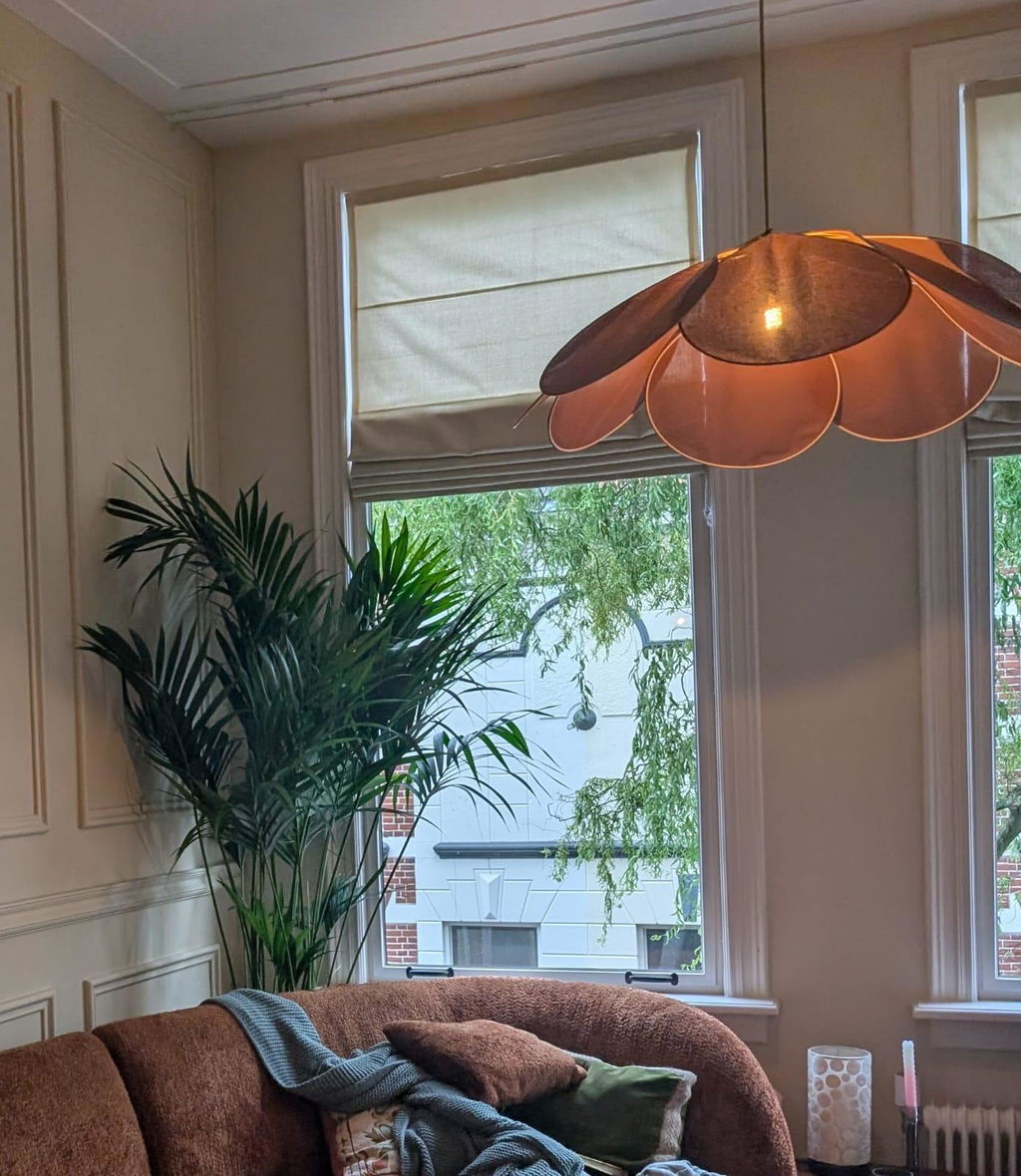
Nice website, easy to order, clear communication and safe and fast delivery
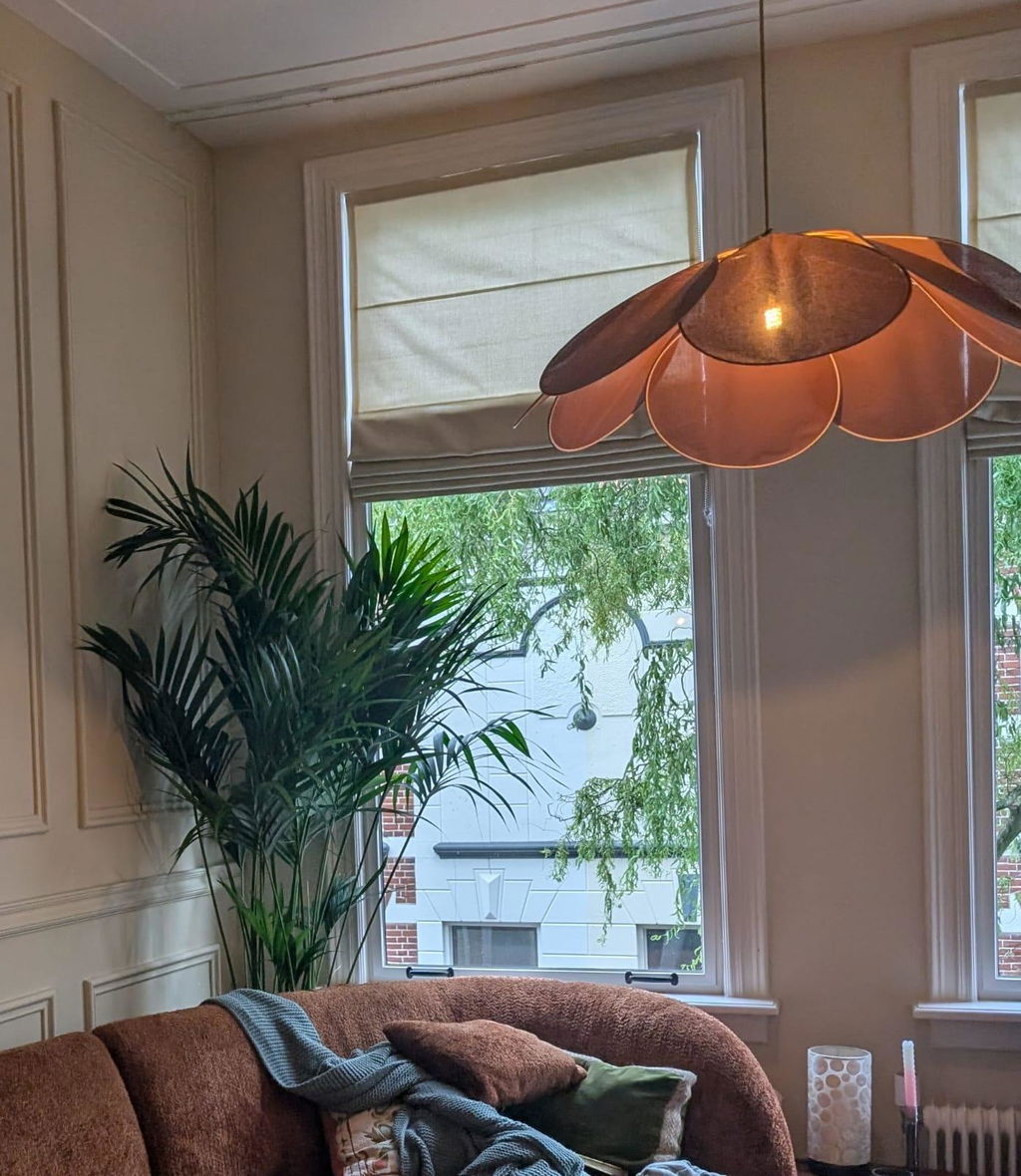
Very happy with the Kentia palm that I ordered. A beautiful, large palm that fits perfectly in my living room. Ordering it was super easy, communication was clear and the delivery was fast. I was a bit worried about how a plant this big could be delivered without damage, but this was all carefully dealth with through their own transport. So it arrived in a perfect condition and also stayed like that, despite the change of environment.

Prachtige bananenplant ontvangen. Groot, frisgroen blad en duidelijk van goede kwaliteit. Hij werd stevig verpakt geleverd en kwam zonder schade aan.
De plant staat hier in op kantoor en geeft meteen veel sfeer. Verzorging is tot nu toe eenvoudig en hij oogt erg gezond. Zeer tevreden over de kwaliteit en service. Zeker een aanrader om hier te bestellen. Ik had 3 planten tegelijk besteld - alle 3 waren ze top.

De Ficus Lyrata is precies zoals verwacht. Mooie volle plant, gezond blad en netjes op hoogte. Hij kwam goed verpakt binnen en had geen beschadigingen.
Staat hier nu een paar weken op kantoor en doet het uitstekend. Duidelijke verzorging, geen gedoe. Prijs-kwaliteit klopt en de levering was snel. Ik zou hier zeker opnieuw bestellen.

De plant was erg mooi en groot,en goed verpakt👍

Mooie volle kerstboom!! En geen gesjouw
Wat klanten van de winkel vinden
Deze winkel is gespecialiseerd in hoogwaardige grote kamerplanten met professionele bezorging. Klanten roemen de uitstekende verpakking, snelle levering, duidelijke communicatie en gebruiksvriendelijke website. Planten komen gezond aan en zijn vaak groter dan ...
AI-gegenereerd op basis van klantbeoordelingen.

The bigger the better
Bring a real statement into your home. Large plants give a feeling of luxury. We offer the highest quality houseplants & outdoor plants straight from the greenhouse.
100% sustainably grown
Plants can grow most sustainably and efficiently in a greenhouse. Good for nature and plants.
Disease & Insect Free
Thanks to natural control in a controlled environment, our plants come to your home without unwanted guests.

Greenhouses over 10 meters high
So we can grow tropical plants of any size. For indoors and outdoors.
Frequently asked questions about Ficus Lyrata
How do I care for the Ficus Lyrata?
How do I care for the Ficus Lyrata?
Is the Ficus Lyrata easy to maintain?
Is the Ficus Lyrata easy to maintain?
How is the Ficus Lyrata shipped?
How is the Ficus Lyrata shipped?
What is the ideal location for the Ficus Lyrata?
What is the ideal location for the Ficus Lyrata?
Does the Ficus Lyrata have an air purifying effect?
Does the Ficus Lyrata have an air purifying effect?

