Everything you need to know about the Ficus lyrata or fiddle leaf fig. Growth forms, care, ideal location and our XXL Ficus lyrata collection in one place.
The most important thing in 30 seconds
+The Ficus lyrata or fiddle leaf fig comes from tropical West Africa and belongs to the Moraceae family
+Likes a bright spot with plenty of indirect light; harsh midday sun can damage the leaves
+Let the top layer of potting soil dry out before watering and avoid waterlogging
+Move the plant as little as possible, because it drops leaves under location stress
+Mildly toxic to dogs and cats due to the milky sap in the plant
+Available in three growth forms: single stem, branched and bush
About this Vioolbladplant planting guide
The Ficus lyrata, commonly called the fiddle leaf fig, is an impressive houseplant from the Moraceae family that originally comes from the lowland rainforests of tropical West Africa. The plant owes its name to the large leaves shaped like a violin or lyre.
The fiddle leaf fig stands out for its leathery, deep-green leaves with clearly visible veins. Indoors it grows into a tall, architectural plant and is available in various growth forms, from a sleek single stem to a full bush. The plant likes a stable, warm environment and reacts sensitively to a change of location.
In this guide you will discover the differences between the growth forms of the Ficus lyrata, where the plant comes from and how to care for it best. You will also read everything about location, watering, humidity and which XXL fiddle leaf figs we offer in our collection.
Whether you are looking for a timeless eye-catcher for your living room or want to expand your botanical interior, this guide gives you all the insights to choose the right Ficus lyrata and keep it healthy, delivered fresh from the grower to your home.
Did you know?
Three facts about the Vioolbladplant that you may not have known yet.
🎻
Violin-shaped leaf
The name lyrata refers to the shape of the leaf, which resembles a lyre or violin. Hence the English name fiddle leaf fig.
🌳
Forest giant in the wild
In its natural habitat in West Africa, the Ficus lyrata can grow into a tree over twelve metres tall.
✨
Real dust catcher
The large leaves catch a lot of dust. Wiping them regularly keeps the leaves glossy and improves photosynthesis.
Vioolbladplant types and differences
Single stem
Hoogte, 180 to 270 centimetres
A straight, tall stem with the leaf crown at the top. The most architectural form and a true solitary eye-catcher in tall, modern spaces.
Branched
Hoogte, 130 to 170 centimetres
Multiple branches together form a fuller crown. This form creates a lush, botanical effect and fills a spacious corner well.
Bush
Hoogte, 80 to 140 centimetres
Full from bottom to top, with leaves down to the base. Compact and dense, ideal for smaller spaces or next to a piece of furniture.
Top 5 Vioolbladplant
Onze favoriete planten voor een Vioolbladplant interieur, gekozen door onze stylingexperts. Met per plant de reden waarom hij werkt.
Voeg top planten toe via het pillar_top_plants metafield op deze pagina.
Vioolbladplant care step by step
Follow these steps to keep your Vioolbladplant healthy.
1
Watering
Let the top two to three centimetres of potting soil dry out before watering again. The Ficus lyrata dislikes waterlogging, so always pour away excess water. In winter you water noticeably less than during the growing season.
2
Light and location
Give the fiddle leaf fig a bright spot with plenty of indirect light. Some morning sun is fine, but avoid harsh midday sun and cold draughts. Choose a fixed spot and move the plant as little as possible, because it reacts sensitively to that.
3
Humidity
The plant comes from a tropical rainforest and appreciates medium to high humidity. Mist the leaves regularly or place the plant near other plants to create a more humid microclimate.
4
Feeding
During the growing season from March to September, give plant food for green houseplants every two weeks. In autumn and winter growth largely stops and the plant needs no feeding.
5
Repotting
Repot the Ficus lyrata every one to two years in spring into a pot a few centimetres larger. Use airy potting soil for houseplants with good drainage to prevent waterlogging.
Frequently asked questions about the Vioolbladplant
Answers to the most frequently asked questions about the Vioolbladplant.
How often should I water my Ficus lyrata?+
Water as soon as the top two to three centimetres of potting soil feel dry. During the growing season that is on average once a week, less in winter. Always make sure no water is left standing in the pot, because waterlogging leads to root rot.
Why is my fiddle leaf fig dropping leaves?+
Leaf drop is usually a sign of stress from change. A new location, cold draught, too much or too little water, or a sudden temperature change can be the cause. Choose a fixed, warm and bright spot and keep the watering rhythm stable.
My Ficus lyrata is getting brown spots on the leaves, what now?+
Brown edges often point to air that is too dry or irregular watering. Brown spots in the middle of the leaf can indicate too much water or too little light. Check the location and watering rhythm and remove severely affected leaves.
Is the Ficus lyrata toxic to cats and dogs?+
Yes, the plant is mildly toxic to pets. The milky sap in the plant can cause irritation of the mouth and stomach if ingested. Therefore keep the fiddle leaf fig out of reach of cats and dogs.
Which location is ideal for a fiddle leaf fig?+
A bright spot with plenty of indirect light is ideal, for example a few metres from a south-facing window or right next to an east-facing window. Avoid harsh midday sun, radiators and cold draughts.
How big does a Ficus lyrata get indoors?+
Indoors the fiddle leaf fig grows, depending on the form, to two or three metres tall. With us you choose the desired size directly, from a compact bush of 80 centimetres to an XXXL tree of 270 centimetres.
Should I clean the leaves of my Ficus lyrata?+
Yes, the large leaves catch a lot of dust. Wipe them regularly with a damp cloth. Clean leaves absorb more light, which helps the plant grow healthily.
Why is my Ficus lyrata not growing?+
In autumn and winter slow growth is normal. If growth stays absent in spring and summer, check whether the plant gets enough light, whether the pot is not too small and whether you feed during the growing season.
Plant concepts explained
Fiddle leaf
The large, leathery leaves with a shape reminiscent of a violin or lyre, characteristic of the Ficus lyrata.
Milky sap
The white, sticky sap that is released when the plant is damaged. It is mildly toxic and can irritate the skin.
Leaf drop
The shedding of leaves, in the fiddle leaf fig often a reaction to stress from a change of location or watering.
Location stress
The plant's reaction to a new or unfavourable spot, visible as leaf drop or limp leaves.
Growing season
The period from March to September during which the plant grows actively and benefits from regular feeding.
Drainage
The drainage of excess water from the pot, essential to prevent waterlogging and root rot in the Ficus lyrata.
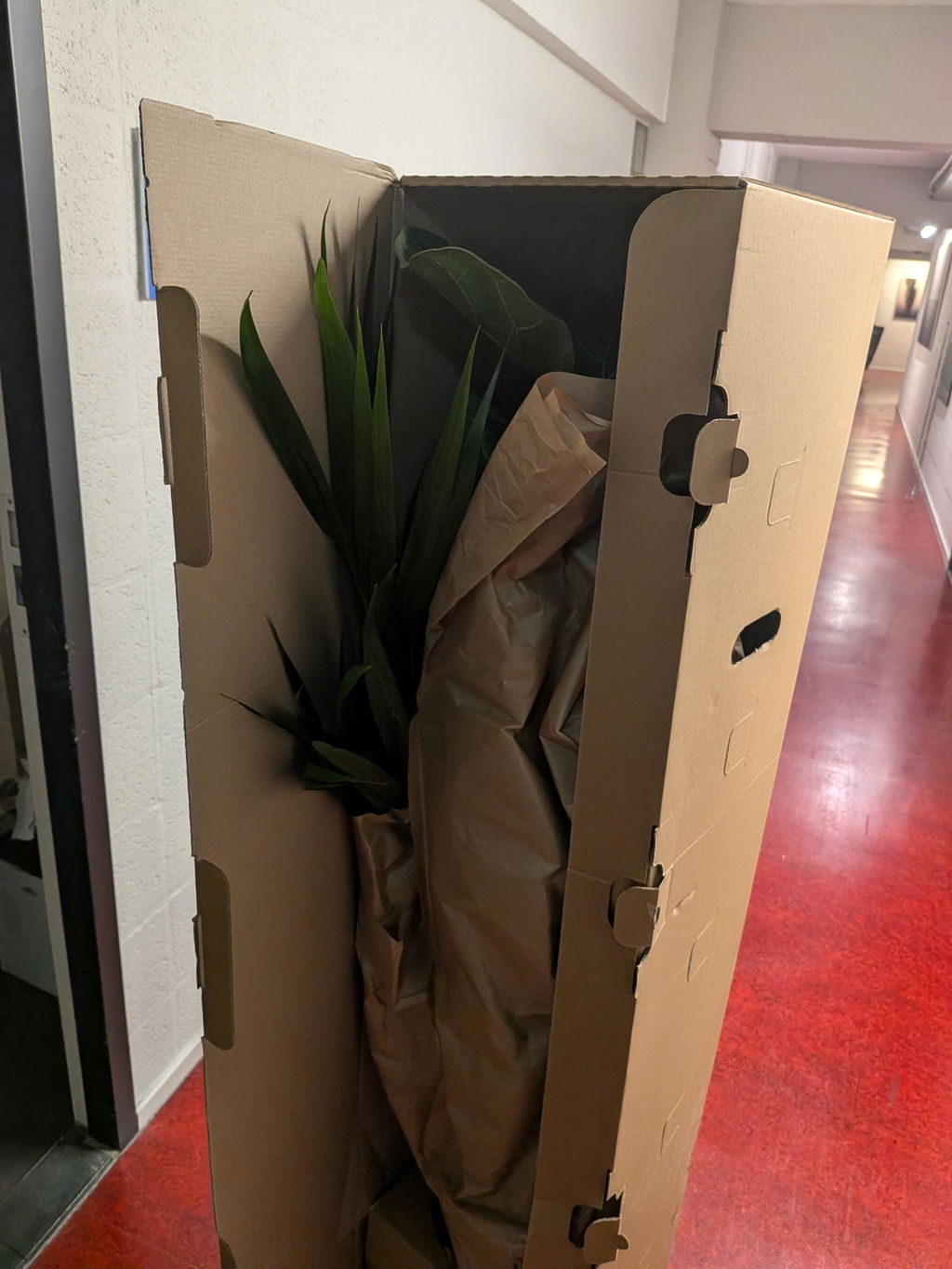
Prachtige bananenplant ontvangen. Groot, frisgroen blad en duidelijk van goede kwaliteit. Hij werd stevig verpakt geleverd en kwam zonder schade aan.
De plant staat hier in op kantoor en geeft meteen veel sfeer. Verzorging is tot nu toe eenvoudig en hij oogt erg gezond. Zeer tevreden over de kwaliteit en service. Zeker een aanrader om hier te bestellen. Ik had 3 planten tegelijk besteld - alle 3 waren ze top.
De Ficus Lyrata is precies zoals verwacht. Mooie volle plant, gezond blad en netjes op hoogte. Hij kwam goed verpakt binnen en had geen beschadigingen.
Staat hier nu een paar weken op kantoor en doet het uitstekend. Duidelijke verzorging, geen gedoe. Prijs-kwaliteit klopt en de levering was snel. Ik zou hier zeker opnieuw bestellen.
Prachtige Kentia palm echt een goed website om planten te kopen!
Prachtige palm. Volle bladeren. 15cm hoger dan aangegeven (altijd goed). Geen dode punten, mooi groen. Werd geleverd in een op maat gemaakte kartonnendoos. Erg stevig - blij mee!