Ficus is a beautiful and durable houseplant that brings much joy.
In this care guide, we share everything you need to know to keep your Ficus / Rubber Plant healthy and happy.
Ficus Care Table
Characteristic
Details
Botanical name
Ficus elastica
Common name
Ficus / Rubber Plant
Family
Various (see botanical name)
Water needs
Moderate, allow topsoil to dry out
Watering frequency
Once a week in summer, less in winter
Light needs
Bright indirect to moderate light
Temperature
18-27°C
Humidity
40-60%
Repotting
Every 1-2 years
Toxicity status
Toxic to pets
Growth rate
Fast
Watering (Ficus)
Ficus likes moderate watering, allowing the topsoil to dry out.
It is important to find the right balance between dry and wet.
Always check the top layer of potting soil before watering - this prevents overwatering,
which is the most common cause of plant diseases.
Watering schedule: Once a week in summer, less in winter
In summer, when the plant is actively growing, Ficus needs more water.
Check the topsoil daily and water when it feels dry.
In winter, the plant grows slower and needs much less water.
Use room temperature water and try to use rainwater as much as possible,
as it contains fewer minerals than tap water. If you use tap water,
let it sit for 24 hours before giving it to the plant.
Light and Location
Ficus needs bright indirect to moderate light to grow well.
Insufficient light is one of the most common problems with indoor plants.
Place your plant in a location with sufficient daylight, but protect it from direct sunlight in summer,
which can cause leaf burn.
The ideal light for Ficus is bright indirect light.
This means light coming through a window, but not shining directly on the plant.
North-facing windows provide the most indirect light, while south-facing windows provide a lot of direct sunlight.
If your plant is turning yellow or not growing, insufficient light is likely the cause.
Move your plant to a brighter spot and you will quickly see improvement.
Temperature
Ficus grows best at temperatures of 18-27°C.
This plant is sensitive to temperature fluctuations and drafts.
Make sure your plant is not near radiators, air conditioners, or windows with strong drafts.
The optimal temperature for nocturnal growth is slightly cooler than during the day.
This simulates natural conditions and promotes healthier growth.
Make sure the temperature does not drop below 15°C,
as this can slow growth and promote diseases.
Humidity
Ficus feels best at a humidity of 40-60%.
Most homes have a drier environment, especially in winter.
You can increase humidity by:
Misting the leaves regularly with water
Placing the plant on a tray with water and pebbles
Using a humidifier, especially in winter
Placing your plant in the bathroom, where it is more humid
Grouping several plants together
Regular misting also has the advantage of removing dust from the leaves,
allowing the plant to photosynthesize better.
Seasonal Care
The seasons have a major influence on how Ficus grows.
In spring and summer, when there is more light and warmth, the plant grows faster.
In autumn and winter, growth slows down.
Spring/Summer: Water regularly, ensure bright light, and fertilize every two weeks.
Autumn: Gradually reduce watering as temperatures drop.
Winter: Water much less frequently, no feeding needed, ensure adequate light.
🌿 View our Ficus collection
At XXLplant, you will find the most beautiful and healthiest Ficus / Rubber Plant plants,
directly from the best growers. For over 10 years, customers have trusted our quality.
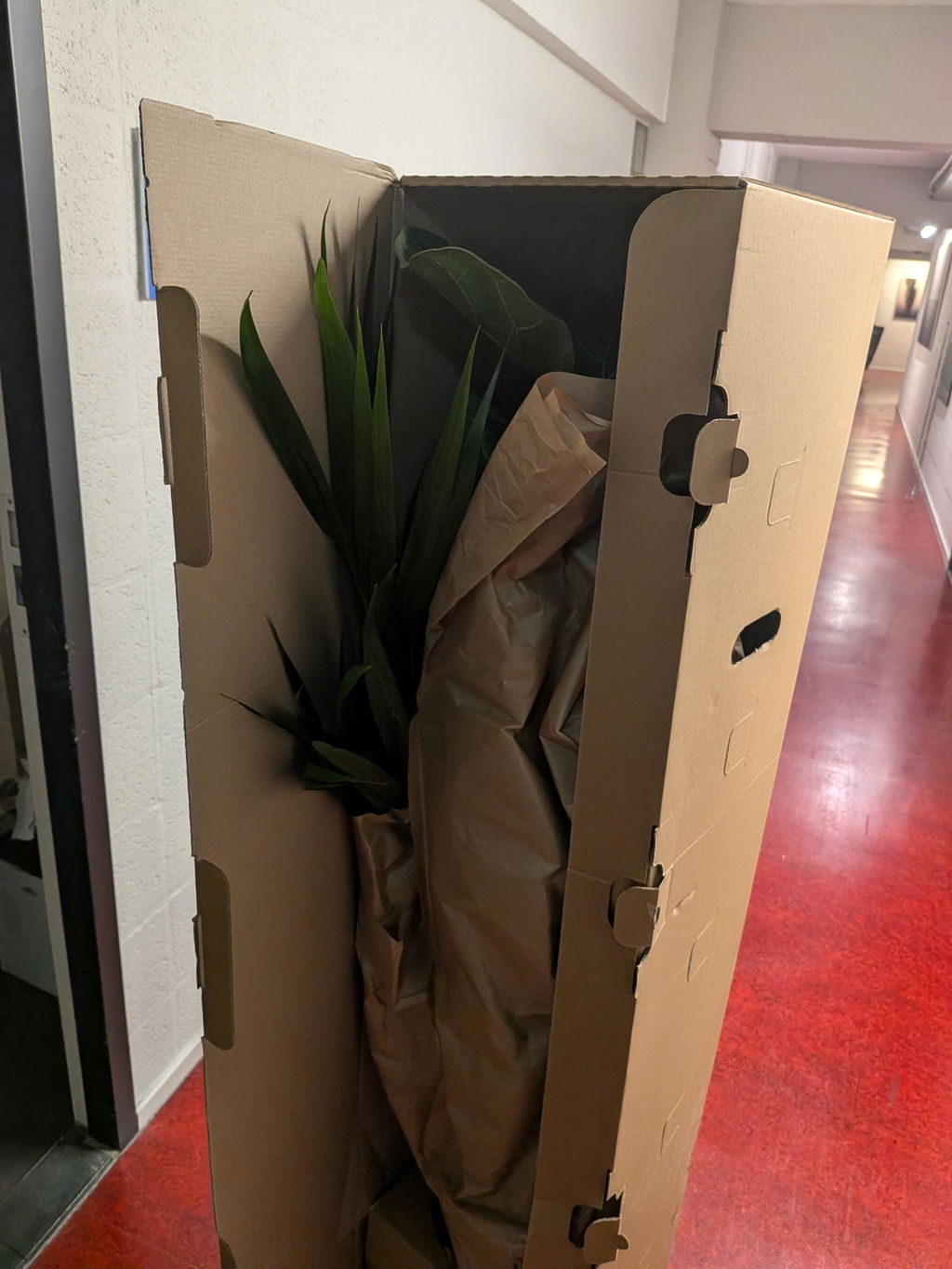
Prachtige bananenplant ontvangen. Groot, frisgroen blad en duidelijk van goede kwaliteit. Hij werd stevig verpakt geleverd en kwam zonder schade aan.
De plant staat hier in op kantoor en geeft meteen veel sfeer. Verzorging is tot nu toe eenvoudig en hij oogt erg gezond. Zeer tevreden over de kwaliteit en service. Zeker een aanrader om hier te bestellen. Ik had 3 planten tegelijk besteld - alle 3 waren ze top.
De Ficus Lyrata is precies zoals verwacht. Mooie volle plant, gezond blad en netjes op hoogte. Hij kwam goed verpakt binnen en had geen beschadigingen.
Staat hier nu een paar weken op kantoor en doet het uitstekend. Duidelijke verzorging, geen gedoe. Prijs-kwaliteit klopt en de levering was snel. Ik zou hier zeker opnieuw bestellen.
Prachtige Kentia palm echt een goed website om planten te kopen!
Prachtige palm. Volle bladeren. 15cm hoger dan aangegeven (altijd goed). Geen dode punten, mooi groen. Werd geleverd in een op maat gemaakte kartonnendoos. Erg stevig - blij mee!