


The Philodendron is one of the most loved houseplants there is, and for good reason. This plant is rewarding, forgiving and grows so readily that you can almost watch it get bigger. Whether you choose a graceful climber with heart-shaped leaves or a stately, shrub-forming species with huge cut leaves: there is always a Philodendron that suits your interior. In this guide you will read everything you need to keep your plant healthy and lush for years.
The Philodendron in brief
Short on time? These are the key care points at a glance:
- Light: bright, indirect light. No harsh midday sun; it tolerates partial shade but then grows more slowly.
- Water: let the top 2 to 3 cm of soil dry out before watering again. Better slightly too dry than too wet.
- Position: a warm, draught-free spot between 18 and 24 °C, preferably with some humidity.
- Toxic: yes, to cats and dogs. Keep the plant out of reach of nibbling pets.
About the Philodendron and its origins
The Philodendron belongs to the arum family (Araceae) and comes originally from the tropical rainforests of Central and South America. Its name says it all about its nature: the Greek philo means "to love" and dendron means "tree". In their natural surroundings many species climb up tree trunks with their aerial roots, searching for light.
That tropical origin explains exactly what the plant likes: warmth, moisture and bright light filtered through the canopy. Translate that to your living room and you immediately understand why a Philodendron feels at home in a bright spot out of full sun. It is a fast-growing, rewarding plant that rarely lets beginners down, and that is precisely why it is so popular as a large houseplant.
Climbing versus shrub-forming Philodendron
Within the genus Philodendron there are broadly two growth habits, and that difference largely determines how you care for and place the plant.
Climbing species
Climbing Philodendrons, such as the Philodendron scandens (also known as hederaceum) and the variegated Philodendron 'Brasil', form long trails with aerial roots. These species want something to grow up. Give them a moss pole and the aerial roots latch on to it, making the leaves noticeably larger. Let them hang instead, for example from a high shelf, and you get a graceful cascading trail.
Shrub-forming species
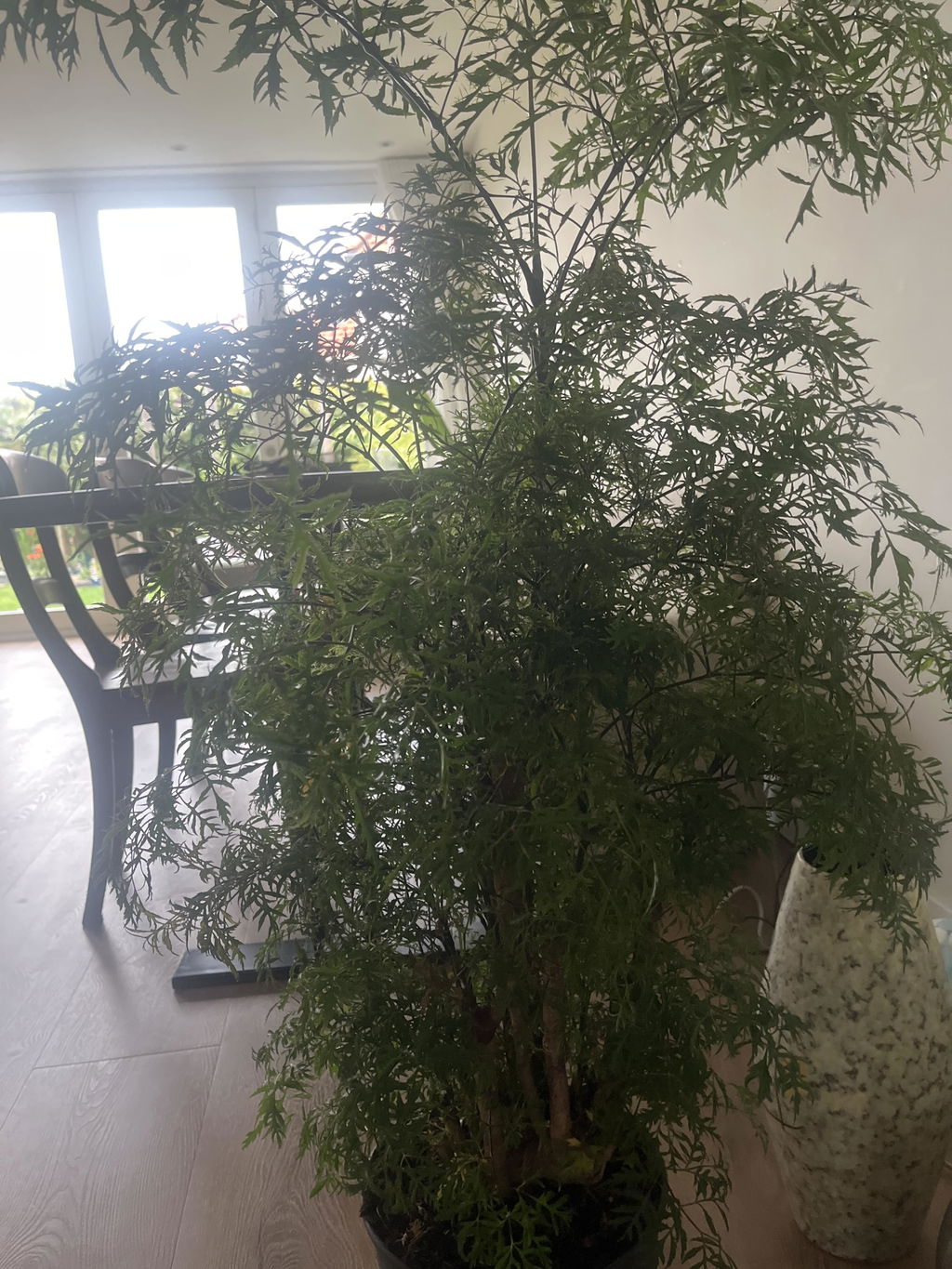
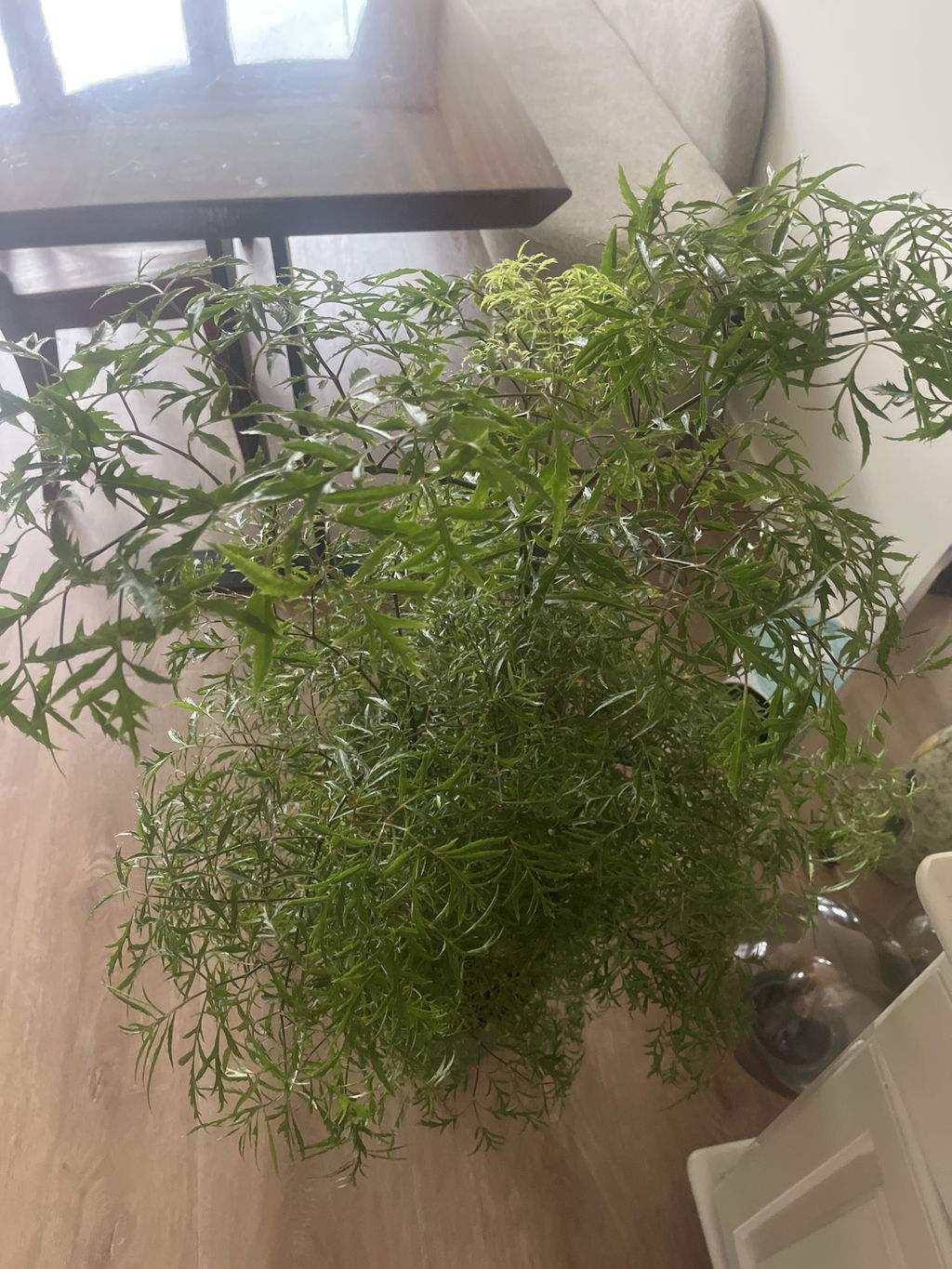
Non-climbing or shrub-forming species, such as the Philodendron selloum (nowadays bipinnatifidum) and the compact Philodendron 'Xanadu', grow outwards from a central heart. They need no support and form full, shrubby plants with deeply cut leaves. These species are ideal as a free-standing focal point on the floor. If you want such a generous presence at home, take a look at our collection of large Philodendrons.
Light and position
The Philodendron likes bright, indirect light best. A spot by an east- or north-facing window is often ideal, as is a few metres from a south- or west-facing window. Avoid harsh midday sun on the leaves, as it can cause scorching and unsightly brown patches.
Is your plant in partial shade? It will survive that perfectly well, but you will notice that growth is slower and that climbing species leave larger gaps between the leaves. For variegated species such as the 'Brasil' or the Pink Princess there is another rule: the more light (within the limits of indirect), the better the markings are retained. Too little light lets the variegated parts fade to green.
Put the plant in a warm, draught-free spot. Temperatures between 18 and 24 °C are perfect. Keep it away from cold draughts and from the hot airflow of a radiator or air conditioning.
Watering
Watering is the most important skill to master with the Philodendron, because most problems arise from too much water. The rule of thumb is simple: let the top 2 to 3 cm of compost dry out before watering again. Just push your finger into the soil to feel whether it is time.
- In the growing season (spring and summer) you water on average once a week.
- In autumn and winter the plant grows more slowly and needs less; often once every ten to fourteen days is enough.
- Always use a pot with drainage holes and pour excess water out of the saucer. A Philodendron must never stand with its roots in water.
Yellow leaves are usually the first signal that you are being too generous with the watering can. In that case let the soil dry out thoroughly before watering again. Lukewarm water at room temperature works best.
Humidity
As a tropical plant the Philodendron likes average to high humidity. In most living rooms it manages fine, but in winter, when heating dries out the air, it appreciates a helping hand. You can easily raise humidity by:
- Misting the leaves occasionally with lukewarm water.
- Standing the pot on a tray of wet clay pebbles (without the pot sitting in the water).
- Grouping the plant with other houseplants so that together they create a more humid microclimate.
- Giving it a place in a more humid room, such as a bright bathroom.
Brown, dry leaf tips are often a sign that the air is too dry. A little extra moisture then works wonders.
Feeding
A fast-growing plant needs fuel. In the growing season, roughly from April to September, give your Philodendron liquid houseplant food with the watering water every two to four weeks. Stick to the dosage on the packaging and give slightly less rather than too much, as too much fertiliser can burn the roots and cause brown leaf edges.
In autumn and winter the plant rests and you stop feeding. From early spring, when you see new leaves appearing again, you pick the rhythm back up.
Repotting and the moss pole
You repot a Philodendron on average every one to two years, preferably in spring. It is time to repot when the roots grow out of the drainage holes or the plant has completely filled its pot with roots. Choose a pot about 2 to 3 cm wider than the old one and use airy houseplant compost, optionally enriched with some perlite for extra drainage.
Fitting a moss pole, step by step
If you have a climbing species, a moss pole is the best investment you can make. The aerial roots attach to it and the plant starts producing larger, fuller leaves. Here is how to do it:
- Step 1: Choose a moss pole long enough for the final height you want and have it ready.
- Step 2: Take the plant out of the pot and place the moss pole firmly in the centre, as deep as possible against the root ball.
- Step 3: Top up the pot with fresh compost and press it down well around the pole so that it stands firmly.
- Step 4: Guide the trails carefully up along the pole and fix them loosely with plant clips or soft twine.
- Step 5: Keep the moss pole slightly damp by misting it now and then. The aerial roots will then grow into it by themselves.
Pruning and propagating
Pruning is not compulsory with the Philodendron, but it is useful for keeping the plant full and in shape. Cut back overly long or bare trails just above a leaf or node (the thickened spot on the stem). The plant usually branches nicely at that point afterwards. Feel free to remove yellow or damaged leaves straight away.
The nice thing is that you can use the cut trails of climbing species right away to make new plants. Propagating from cuttings works like this:
- Cut off a healthy stem with at least one node and a few leaves.
- Put the cutting in a glass of water and place it in a bright spot, out of full sun.
- Change the water every few days. After two to four weeks the first little roots appear.
- Once the roots are a few centimetres long, plant the cutting carefully into compost and keep it a little moister for the first few weeks.
Tip: put several cuttings together in one pot for a fuller, more luxuriant plant.
Common problems
Is your Philodendron not responding as you hoped? With this checklist you will recognise the problem quickly and know what to do about it.
Yellow leaves
Cause: usually too much water. The soil stays wet too long and the roots get no air, eventually resulting in root rot. Solution: let the top layer of soil dry out well, check that the pot has drainage holes and from now on only water again when the soil feels dry on top.
Brown tips or edges
Cause: air that is too dry, or sometimes too much fertiliser. Solution: raise the humidity by misting or grouping the plants, and stick to the recommended dosage when feeding.
Small leaves and long, bare stems
Cause: too little light, or a climbing species without support. Solution: move the plant to a brighter spot with bright indirect light and give climbing species a moss pole so they start making larger leaves again.
Aerial roots along the stem
Cause: this is not a problem but entirely natural. Aerial roots are part of climbing Philodendrons. Solution: guide them to the moss pole or the compost, or cut them off if you do not like the look. It does the plant no harm.
Is the Philodendron toxic?
Yes, the Philodendron is toxic to cats and dogs, and it is not suitable for people to eat either. The plant contains calcium oxalate crystals which, when leaf parts are chewed or swallowed, can cause irritation of the mouth, throat and stomach. So place the plant out of reach of nibbling pets and small children. If you get plant sap on your skin while pruning, wash your hands afterwards, as it can cause mild irritation on sensitive skin.
Popular Philodendron species
The genus Philodendron counts hundreds of species, from modest tabletop plants to imposing indoor giants. These are some of the most loved:
- Philodendron scandens (hederaceum): the classic climber with glossy, heart-shaped leaves. Easy, fast and ideal for beginners.
- Philodendron 'Brasil': a variegated version of the scandens, with green leaves that light up lime yellow from within.
- Philodendron 'Imperial Red': a shrub-forming species with large, glossy leaves that emerge red-brown when young and turn dark green later.
- Philodendron 'Pink Princess': a collector's favourite with dark leaves and striking pink markings, which show at their best with enough light.
- Philodendron selloum (bipinnatifidum): a stately, shrub-forming giant with huge, deeply cut leaves. A real eye-catcher as a large houseplant.
- Philodendron 'Xanadu': more compact and spreading, with attractively lobed leaves. Perfect if you want the selloum look in a smaller size.
Curious which one suits your interior best? View the full range of large Philodendrons and find your favourite.
Frequently asked questions about the Philodendron
How often should I water my Philodendron?
On average once a week in spring and summer, and once every ten to fourteen days in autumn and winter. Use the top 2 to 3 cm of soil as your guide: if it feels dry, you can water.
Does a Philodendron need a moss pole?
Only the climbing species benefit from a moss pole. Their aerial roots attach to it and the plant starts making larger, fuller leaves. Shrub-forming species such as the 'Xanadu' and selloum need no support.
Why is my Philodendron getting yellow leaves?
Yellow leaves usually point to too much water. Let the soil dry out well, use a pot with drainage holes and from now on only water when the top layer is dry. The odd yellow lower leaf now and then is simply natural ageing.
Is the Philodendron toxic to my pet?
Yes, the plant is toxic to cats and dogs because of the calcium oxalate crystals. Put it out of reach of animals that like to nibble on plants.
Can the Philodendron stand in the shade?
It tolerates partial shade, but then grows more slowly and makes smaller leaves. For the best growth choose a spot with bright, indirect light without harsh midday sun.
How do I make my Philodendron bigger and fuller?
Give it enough light, a moss pole for climbing species and regular feeding during the growing season. Prune long trails back to encourage branching and put several cuttings together in one pot for a fuller whole.
How do I look after my Philodendron's leaves?
Wipe the leaves now and then with a damp cloth to remove dust. Clean leaves catch more light and the plant breathes better as a result. Also take a look at our range of large Philodendrons if you are ready for a new one.
7